

License: This constraint can use multiple tools, each under its own license. See the Tools Used tab and each tool’s page for license details.
This constraint is open source. Any third-party models, product names, or trademarks referenced are the property of their respective owners, and Proto is not affiliated with them.

 evo-design/proto-language/proto_language/constraint/sequence_annotation/mmseqs_similarity_constraint.py

API Reference
Configuration for MMseqs gene similarity constraint.This class defines configuration parameters for evaluating sequence similarity
(percent identity) to known proteins using MMseqs2, an ultra-fast sequence
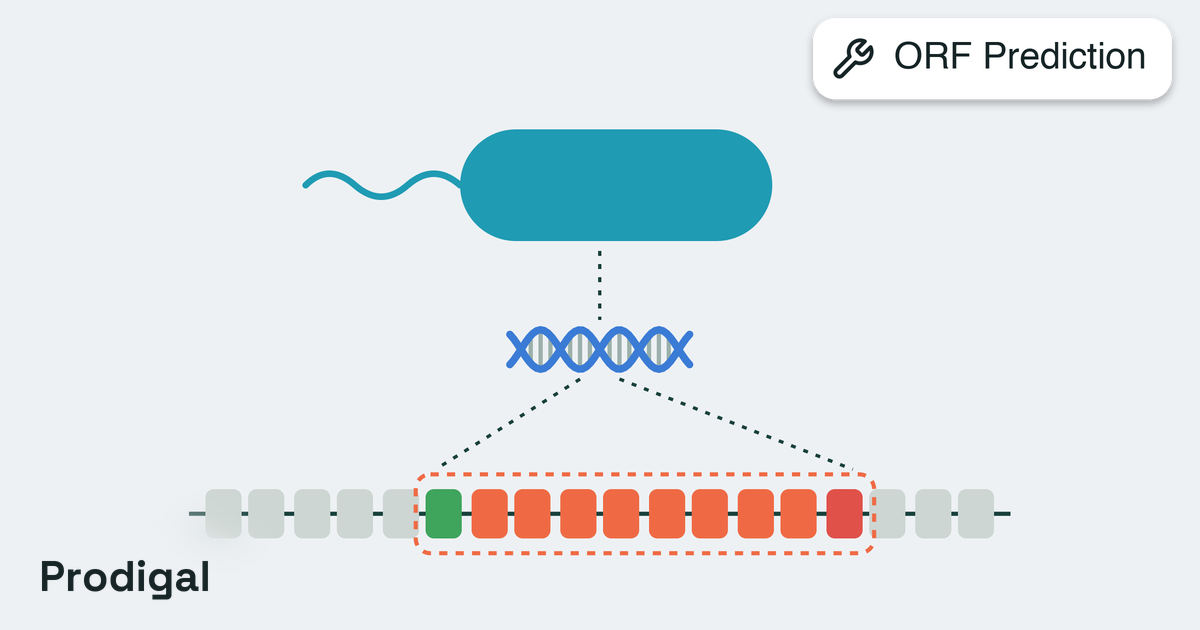
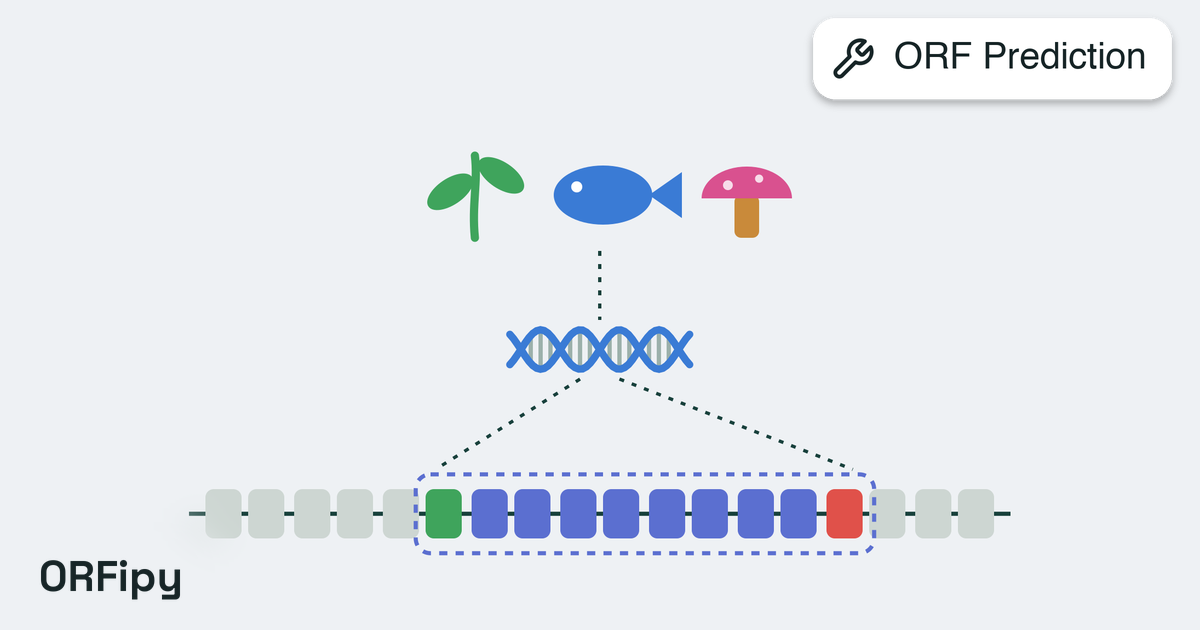
search tool. For DNA sequences, the constraint first predicts open reading
frames (ORFs) using either Prodigal or ORFipy, then searches the translated
proteins against a reference database. For protein sequences, the search is
performed directly.
For examples with tool configuration, see:
from proto_tools import Mmseqs2SearchProteinsConfig The similarity range [min_similarity, max_similarity] defines acceptable percent identity. Sequences with hits outside this range are penalized. For example:
- [40, 70]: Moderate similarity, useful for inferring functional similarity while avoiding identical sequences
- [0, 40]: Low similarity filter, for novelty/uniqueness constraints
- [80, 100]: High similarity filter, for functional conservation requirements
number
required
Minimum acceptable percent identity (0-100). Lower values are more permissive.
number
required
Maximum acceptable percent identity (0-100). Higher values allow more similar hits.
string
required
Path to MMseqs2 protein database for similarity search
Mmseqs2SearchProteinsConfig
MMseqs configuration (threads, sensitivity, etc.).
enum
default:"prodigal"
ORF prediction tool (DNA only): ‘orfipy’ (viral) or ‘prodigal’ (prokaryotic).Options:
orfipy, prodigalOrfipyConfig
ORFipy configuration (DNA only, used if orf_predictor=‘orfipy’).
ProdigalConfig
Prodigal configuration (DNA only, used if orf_predictor=‘prodigal’).
ReturnsConstraintOutput
One result per sequence. Score 0.0 means all hits
fall within [min_similarity, max_similarity]; higher scores indicate
greater deviation. Score 1.0 (MAX_ENERGY) is returned if no ORFs are
found (DNA) or no database hits are found. metadata carries:For DNA sequences (with Prodigal):prodigal_orfs: List of dictionaries containing predicted ORF information (id, start, end, strand, protein_sequence, etc.)mmseqs_results: List of dictionaries with MMseqs2 hit information (target_id, pident, evalue)unique_orfs_with_hits: Integer count of distinct ORFs with at least one database matchorfs_with_acceptable_similarity: Integer count of ORFs with hits in acceptable rangetotal_orfs_with_hits: Integer total number of ORF-hit pairssimilarity_compliance_rate: Float fraction of hits within acceptable range (0.0-1.0)
orfipy_orfs: List of dictionaries with ORFipy ORF predictions- Other fields same as Prodigal above
direct_protein: Dictionary with protein information (id, sequence, length)mmseqs_results: List of MMseqs2 hit dictionariesunique_orfs_with_hits: Count of distinct ORFs with at least one hit (always 1 or 0 for a single protein, which has exactly one ORF)orfs_with_acceptable_similarity: Count of acceptable hitstotal_orfs_with_hits: Total hit countsimilarity_compliance_rate: Fraction of hits in range
Usage
Filtering for sequences with low similarity to existing proteins:python